OEM vs ODM Plush Toys: Which Model Fits Your Brand?
The practical difference between OEM and ODM plush toy manufacturing, what each costs in time and money, and how to combine both models in one product line.
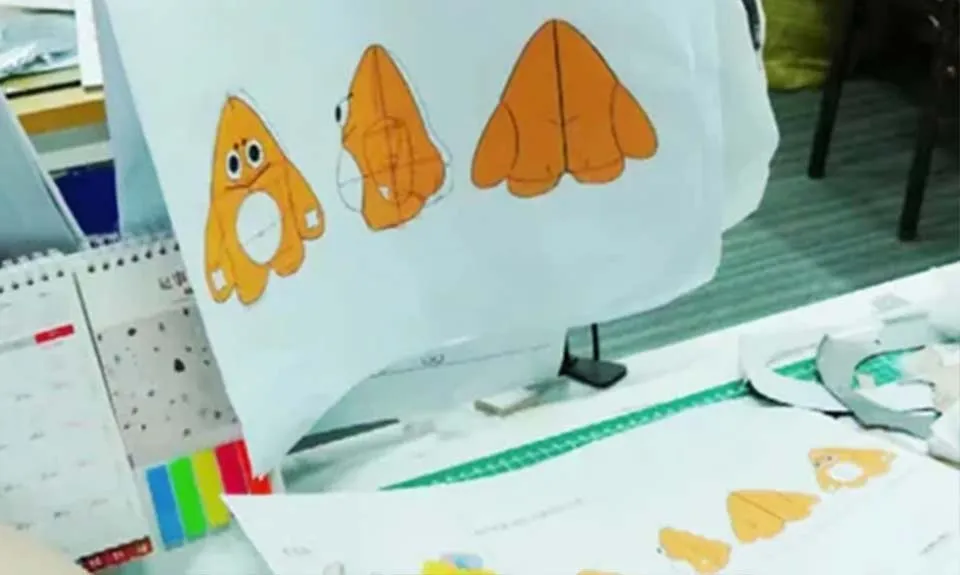
OEM means the factory builds to your design; ODM means the factory offers an existing design that you rebrand. OEM gives control and defensibility at the cost of sampling time; ODM gives speed and lower entry cost at the cost of differentiation.
What OEM involves
In OEM, you own the design and the tech pack. The factory handles pattern making, sampling, bulk production, testing and packing to your specification. You control shape, materials, decoration and packaging, and the resulting product is yours to defend. The trade-off is a 10-15 day sampling cycle and a design investment before any revenue.
What ODM involves
In ODM, the factory presents a catalogue of existing designs. You choose a shape, change colours, add your hang tag and packaging, and order at a lower quantity because patterns and tooling already exist. Speed improves dramatically — samples can often ship within a week — but competitors can buy the same base design, so exclusivity must be negotiated explicitly.
How to decide
Choose OEM when the plush is the product: a brand mascot, a licensed character, a signature collectible where shape and detail drive purchase. Choose ODM when speed matters more than uniqueness: promotional giveaways, seasonal gift items, marketplace test SKUs, and capsule ranges that need to launch within weeks.
- OEM: brand mascots, licensed characters, signature product lines
- ODM: promotional items, test SKUs, fast seasonal launches
- Hybrid: ODM base shape with OEM colourway, hang tag and packaging
A hybrid that usually wins
Many brands start with an ODM base shape and apply OEM-level customisation: a new colourway, a custom embroidered chest logo, branded hang tag and retail-ready packaging. This keeps sampling fast and quantities low while still producing something the buyer cannot find elsewhere on the shelf. Once the SKU proves itself, the next run can move to full OEM tooling.
Key takeaways
- ✓OEM buys control and differentiation; ODM buys speed and lower entry cost.
- ✓Ask for written exclusivity if you build a range on an ODM design.
- ✓A hybrid ODM shape with OEM decoration suits most first-time brand launches.
Last updated: