Recycled and Eco-Friendly Plush Toy Materials: What Buyers Should Ask
Which recycled and lower-impact materials are genuinely available for plush toys, what certifications to request, and where green claims commonly break down.
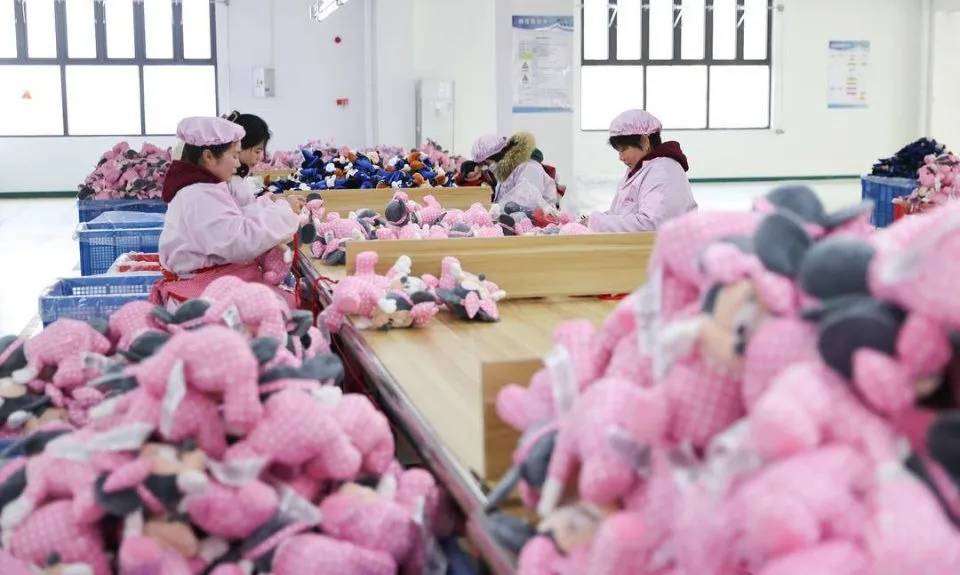
Eco-friendly plush toys are mostly about three choices: recycled polyester fabric, recycled filling, and packaging. Each is available today, each carries certification requirements, and each can be undermined by vague marketing claims that fail a simple documentation check.
Recycled polyester fabric and filling
Recycled polyester (rPET) is produced from post-consumer PET bottles and is available in short pile, long pile and minky finishes. It can look and feel close to virgin polyester while carrying a documented recycled content percentage. Recycled PP cotton filling is also available, though the softness profile differs slightly from virgin filling and should be validated in a sample.
Ask for the recycled content percentage and the certification behind it — GRS (Global Recycled Standard) is the most widely recognised chain-of-custody system for recycled textile content. A supplier claim without a transaction certificate for your specific order is not verifiable.
Lower-impact alternatives worth considering
Organic cotton is credible for infant and sensitive-skin products but has a narrower colour range and higher cost. Bamboo and modal blends offer softness but rarely carry strong end-of-life credentials. For most brands, switching fabric and filling to certified recycled polyester, while reducing packaging, delivers a defensible improvement without a full redesign.
- rPET fabric with GRS transaction certificate
- Recycled PP cotton filling, validated for hand feel
- FSC-certified paper hang tags and cartons
- Plastic-free or reduced-plastic retail packaging
Where green claims break down
Three failures recur. First, a certificate for a fabric mill is presented as a certificate for the finished toy. Second, "eco" is used to describe packaging while the product itself is unchanged. Third, a recycled percentage is quoted without a chain-of-custody document covering the actual order. Each of these is easy to check and each creates regulatory risk in the EU and UK, where green claims are increasingly enforced.
A practical brief for an eco range
Specify rPET fabric with a stated recycled percentage, GRS documentation per order, recycled filling or a stated virgin-to-recycled ratio, FSC paper packaging, and printed rather than laminated boxes. Keep the claim wording specific — "made with 50% recycled polyester fabric" rather than "eco-friendly" — and retain the certificates alongside the technical file.
Key takeaways
- ✓Recycled polyester fabric and filling are available today with GRS documentation.
- ✓Require a transaction certificate covering your order, not just a mill certificate.
- ✓Specific, quantified claims survive scrutiny; generic "eco-friendly" wording does not.
Last updated: